
Views: 0 Author: Site Editor Publish Time: 2026-03-06 Origin: Site


You can imagine carbon fiber durability as a strong net. It stays tough even when used a lot. This material fights stress and tiredness because its fibers and resin help each other. That makes it hard to break and helps it last a long time. DASEN uses new technology to make carbon fiber products strong. In your daily life, you get lighter things that last longer and look nice. You see this in cars and electronics.
Carbon fiber is very strong and lasts a long time. This makes it great for things like cars and electronics. Fatigue happens when things get weak from being used a lot. Carbon fiber does not get tired as fast as metals do. How carbon fibers are put together changes how strong they are. If you layer them the right way, they last longer. Carbon fiber does not rust or rot. This means it works well in wet or rough places. Using carbon fiber can help you save money over time. This is because it lasts long and does not need much care. Carbon fiber is light, so it is easy to move and carry. You will not get tired as fast when using it. In medical devices, carbon fiber gives strength and feels good to use. This helps people get better care. If you clean carbon fiber and keep it safe from the sun, it will last even longer.
Fatigue happens when a material gets weaker from being used over and over. This means if you bend or move something many times, it can start to break. Small cracks can show up and get bigger as you keep using it. For example, if you bend a metal spring a lot, it might snap. Scientists call this process the fatigue damage mechanism. It starts when tiny cracks appear, which is called fatigue damage initiation. These cracks grow bigger, and that is called propagation. Think about bending a paperclip back and forth. At first, it does not break. After many bends, it snaps in two. This shows that how often and how hard you use something changes its fatigue performance.
Stress is a force that pushes or pulls on things. You feel stress when you stretch, squeeze, or twist something. Stress can come from many places. If you drop your phone, the case feels stress from the hit. Engineers study stress to see how things react to different forces. When stress happens again and again, it can cause fatigue. The fatigue damage mechanism has two parts: initiation and propagation. Initiation is when a crack starts, and propagation is when it grows. Materials with strong fatigue resistance do not break easily, even with lots of stress.
Tip: Materials with high fatigue resistance last longer and stay strong even after many uses.
Fatigue and stress change things you use every day. You can see this in cars, bikes, and electronics. When you ride a bike, the frame shakes from bumps and movement. This is called vibration fatigue. If you use something in hot and cold places, it faces thermal fatigue. Sometimes, chemicals and stress work together to cause corrosion fatigue. The table below shows some common types of fatigue and what causes them:
Type of Fatigue | Description |
|---|---|
Mechanical Fatigue | Happens when something faces stress over and over, like vibration and corrosion fatigue. |
Vibration Fatigue | Comes from equipment shaking, often because of bad design or too much stiffness. |
Corrosion Fatigue | Happens when chemicals and stress work together, making cracks start. |
Thermal Fatigue | Happens when things get hot and cold again and again, like in tubes during start-ups and shut-downs. |
You can see why fatigue performance is important in real life. Engineers pick materials with strong fatigue resistance to make things last longer. DASEN’s carbon fiber products have great fatigue resistance. You get items that can handle stress and fatigue well. This means your things stay strong and safe for a long time.
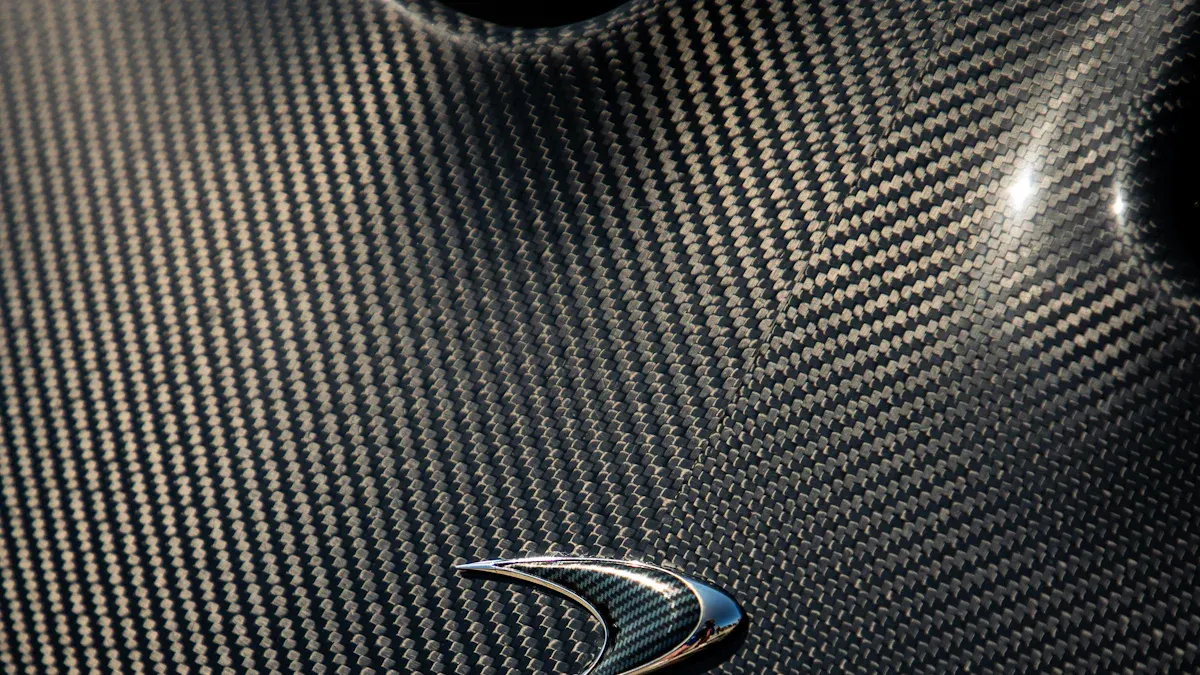
Image Source: unsplash
When you use DASEN carbon fiber, you notice it is strong. The structure makes it last a long time. DASEN makes prepreg, tubes, and plates with new methods. These products are very strong and work well. The carbon fiber laminate does not get weak from sunlight. You do not have to worry about rust or rot like with steel or wood. Carbon fiber keeps working in wet or tough places. You see fewer breaks and longer use under heavy loads. DASEN carbon fiber helps you spend less on repairs and upkeep. You can count on these products in hard conditions.
Carbon fiber cloth blocks UV rays and stays strong in the sun.
You do not get rust or damage, so it works well in wet places.
DASEN carbon fiber laminate breaks less and lasts longer.
You need less repair and get better use from it.
Carbon fiber is strongest when fibers go the right way. How the fibers are placed changes how well it fights fatigue. Engineers set up layers to handle squeezing, pulling, and twisting. A 0° layup is not as strong for twisting as a 45° layup. The way fibers are put together changes how long it lasts. The fiber setup is important for how strong the carbon fiber is. If fibers are wavy or wrinkled, it does not last as long. DASEN makes sure the fibers are lined up right. You get the same strength every time with their carbon fiber. Checks are done to make sure fibers are in the best spot.
Fiber direction helps carbon fiber fight fatigue.
Different forces need fibers set up in special ways.
Good layering stops problems and keeps strength high.
DASEN lines up fibers right for strong carbon fiber.
The resin matrix holds the fibers together and spreads out stress. The matrix decides how strong and tough the carbon fiber is. Changing the matrix can make it stronger and last longer. Engineers work to make it better at handling hits and squeezing. The place where fibers and matrix meet helps spread out force. Making the matrix better stops cracks and helps it last longer when used a lot. The matrix changes how strong and long-lasting the carbon fiber is. DASEN uses new resin systems to make their carbon fiber work better.
Aspect | Description |
|---|---|
Role of Matrix | The matrix resin decides how strong and tough it is. |
Enhancements | Changes make it stronger and fight fatigue better. |
Stress Distribution | A better matrix spreads out force and stops cracks. |
Durability | Changes help it last longer when used again and again. |
Matrix Properties |
You get carbon fiber laminate that stays strong and works well. DASEN uses good fiber setup and strong resin matrix to make tough products. You can trust DASEN carbon fiber for things you use every day.
You want things that are strong but not heavy. Carbon fiber is great for this. You can pick up a carbon fiber part and feel how light it is. Even though it is light, it can hold a lot of weight. The high strength-to-weight ratio means you get more power with less weight. This is why carbon fiber is used in bikes, cars, and electronics.
Here is a table that shows how carbon fiber and aluminum compare:
Measurement | Carbon Fiber | Aluminum | Carbon/Aluminum Comparison |
|---|---|---|---|
Tensile strength (σ) MPa | 1035 | 450 | 230% |
Density (ρ) g/cm³ | 1.6 | 2.7 | 59% |
Specific tensile strength (σ /ρ) | 647 | 166 | 389% |
You can see that carbon fiber is much stronger and lighter. This means you need less material to get good results. It is also easier to move and saves energy. When you pick DASEN carbon fiber, you get things that last longer and work better because they are strong and light.
Carbon fiber density: about 1.6 g/cm³
Aluminum density: about 2.7 g/cm³
Carbon fiber is about 40-45% lighter than aluminum
You want your stuff to last, even if you use it a lot. Carbon fiber is good at stopping cracks and damage. If you bend or hit carbon fiber, it does not break right away. The fibers and resin matrix work together to stop cracks from getting bigger. This means it can take more hits before breaking.
The study shows that the extrinsic toughening mechanism in carbon fiber reinforced polymer (CFRP) lets cracks grow slowly instead of breaking fast. The polymer matrix helps make carbon fiber tougher, so it is ten times harder to break because of plastic deformation in the crack-bridging polymer matrix.
This gives you more time to fix or change a part before it breaks. You do not get sudden breaks. You see warning signs first, which helps keep you safe. DASEN checks every product for cracks and damage before sending it out. You can trust that your carbon fiber things are good at fighting cracks and damage.
You want things that stay strong year after year. Carbon fiber keeps its strength and shape, even after many uses. It does not get weak from being used again and again. You see this in cars, bikes, and electronics that use carbon fiber.
Here is a table that shows how carbon fiber works over time:
Performance Aspect | Description |
|---|---|
Stiffness and Flexibility | Carbon fiber is stiff but can bend a little, so it takes force without snapping. |
Environmental Resistance | It does not get hurt by water, chemicals, or sunlight, so it lasts longer in tough places. |
Corrosion Resistance | Carbon fiber does not rust like metal, so it stays strong for years. |
Manufacturing Quality | How the resin, curing, and fiber setup are done changes how long it lasts. |
Stress Distribution | Carbon fiber spreads out stress, so there are no weak spots. |
Fatigue Resistance | Carbon fiber does not get tired like metal, so it keeps its shape under stress. |
You get things that do not rust, rot, or lose their strength. The special design spreads out stress, so nothing gets weak. DASEN checks every product to make sure it is strong. You can count on carbon fiber to last a long time in your daily life.
You get less damage from using your things.
You do not need to fix or replace them as much.
You get better use for a longer time.
Carbon fiber stands out because it is strong, tough, and lasts a long time. DASEN makes sure you always get the best quality.
You can find carbon fiber reinforced polymer in many places today. DASEN uses this material to make things for daily life and high-tech jobs. In hospitals, carbon fiber makes prosthetics lighter and helps doctors see better with imaging tools. Cars use carbon fiber to get lighter, so they use less gas and go faster. Airs have parts made from carbon fiber because it is strong and safe but does not add much weight. Sports gear like tennis rackets and bikes use cfrp composites to help you move faster and feel more comfortable. Wind turbines and solar panels use carbon fiber to make more energy. Electronics makers use cfrp composites to keep devices light and cool. Even space missions use carbon fiber because it is reliable and does not weigh much.
Medical devices: lighter prosthetics, better imaging
Automotive: lighter cars, improved fuel efficiency
Aerospace: strong, safe parts
Sports: faster, more comfortable gear
Renewable energy: better wind turbines and solar panels
Electronics: lightweight, cool-running devices
Space: reliable, high-performance materials
You want your things to last, even if you use them a lot. Carbon fiber reinforced polymer is good at fighting fatigue. If you bend, twist, or stretch cfrp composites many times, they do not break or crack easily. This is because the carbon fiber and resin work together to stop damage from spreading. Studies show cfrp composites can take millions of stress cycles without failing. For example, 3D-printed carbon fiber straps lasted at least 3 million cycles with an endurance limit of 750 MPa. The main problem was delamination, but the straps still worked well in hard tests. Engineers used these straps to build a bridge, showing cfrp composites are strong in real life.
Specimen Type | FT Cycles | Stress Ratio | Observations |
|---|---|---|---|
Open-Hole | 0, 50, 100 | R = 10, R = -1 | Fatigue life influenced by fiber-matrix bond and failure mechanisms |
Transverse | 0, 100 | R = -1 | Fatigue life depends on laminate configuration |
Shear | 0, 100 | R = -1 | Fatigue life affected by test environment |
You can count on carbon fiber to keep working, even in tough places.
You might wonder how carbon fiber reinforced polymer is different from metals like steel and aluminum. CFRP composites are much stronger for their weight. You get the same strength but with less weight. Carbon fiber does not rust or corrode, so it lasts longer in wet or rough places. In lab tests, cfrp composites and aluminum joints lasted about the same, but carbon fiber joints stayed flexible and did not lose strength as fast. Steel and aluminum can get weak after many stress cycles, but carbon fiber reinforced polymer keeps its shape and strength. You get things that last longer, need fewer repairs, and stay strong for years.
Tip: Pick carbon fiber reinforced polymer if you want something strong, light, and long-lasting.
You use electronics every day. Phones, laptops, and tablets need to stay cool. DASEN carbon fiber makes these devices lighter and stronger. You can carry your phone or laptop easily. Carbon fiber parts do not add much weight. The material helps protect your devices from drops and bumps. Your device lasts longer and feels solid in your hand. Carbon fiber helps with heat management. Your electronics do not get too hot during use. You can play games, watch videos, or work without worrying about overheating.
Tip: Devices with carbon fiber parts last longer and stay cooler. You get a better experience.
You see carbon fiber in cars, bikes, trains, and s. DASEN carbon fiber makes vehicles lighter and stronger. Bikes with carbon fiber are easy to lift and ride. Car makers use carbon fiber to build lighter cars. Lighter cars use less fuel and go faster. You get a smoother ride because carbon fiber reduces shaking and noise. The material lasts longer because it does not break easily.
Here is a table showing how DASEN carbon fiber helps transportation:
Benefit | Detail |
|---|---|
Weight Reduction | Up to 50% lighter than steel |
Fuel Efficiency | Lighter cars use less fuel |
Performance | High-performance cars get faster |
You also see improvements when comparing carbon fiber to aluminum:
Benefit | Detail |
|---|---|
Weight Reduction | 40–60% lighter than aluminum |
Ride Quality | Less shaking for a smoother ride |
Durability | Better fatigue resistance for longevity |
You get vehicles that last longer, use less energy, and give you a better ride.
You find carbon fiber in hospitals and energy projects. Doctors use carbon fiber to make medical devices. These devices are strong and light. They work well inside the body. Prosthetics made from carbon fiber match the density of human bone. This gives you better flexibility and comfort. The material lasts longer than traditional options. If you use a wheelchair, carbon fiber wheelchairs are lighter and easier to move. You use less energy to get around.
In the energy sector, engineers use carbon fiber for wind turbines and solar panels. The material helps these machines last longer and work better in tough weather.
You get medical devices that are strong and light.
Prosthetics made from carbon fiber fit better and last longer.
Carbon fiber wheelchairs are easier to use and more comfortable.
Wind turbines and solar panels use carbon fiber for better performance.
You see how DASEN carbon fiber improves many parts of your life, from health to clean energy.
Steel is used in buildings and cars. It feels heavy and strong. Carbon fiber feels light but can hold a lot of weight. These two materials act very differently. Steel bends before it breaks. Carbon fiber stays stiff and does not stretch much. If you use something every day, you want it to last. Carbon fiber resists fatigue better than steel. You see less bending and fewer cracks over time.
Here is a table that compares steel and carbon fiber:
Property | Carbon Fiber | Steel |
|---|---|---|
Density (g/cm³) | 1.75–1.90 | 7.85–7.87 |
Tensile strength (UTS) | 2,500–7,000 MPa | 360–580 MPa |
Young's modulus (axial) | 230 GPa (up to 530+) | ~200 GPa |
Elongation at break | 0.5–2% | 10–25% |
Specific strength | Very high | Lower |
Failure mode | Brittle fracture | Ductile fracture |
Carbon fiber gives you more strength for less weight. Steel can bend and stretch, but it gets tired after many uses. Carbon fiber composites keep their shape and strength, even after lots of use.
Note: Carbon fiber is good for parts that face a lot of stress and need to last a long time.
Aluminum is found in bikes and s. It feels light and bends more easily than steel. Aluminum can get weak after many uses. This is called fatigue. Carbon fiber stands out because it resists fatigue much better. You can use carbon fiber in places where you need parts to last for years.
Carbon fiber is more durable and resists fatigue better than aluminum.
Aluminum can get weak with repeated stress, but carbon fiber keeps its strength.
You get longer life from carbon fiber in tough jobs.
Carbon fiber has a higher stiffness-to-weight ratio. This means you get strong, stiff parts that do not add much weight. Aluminum bends and breaks in ways you can predict, which helps with repairs. Carbon fiber works best when you know the direction of the force. Aluminum is easier to use when forces come from many directions.
Tip: Pick carbon fiber for high-performance and long-lasting parts. Use aluminum when you want easy repairs and simple designs.
Plastics are used in bottles, toys, and cases. They feel light and cheap, but can break or crack over time. Sunlight can make plastics brittle and change their color. Carbon fiber does not have these problems. It stays strong and resists scratches and corrosion. You get better durability with carbon fiber, especially in tough places.
Here is a table showing the main challenges:
Material | Durability Challenges | Resistance to UV Damage | Other Notes |
|---|---|---|---|
Plastics | Brittle, cracking, discoloration from UV | Lower-grade plastics affected | High-quality plastics resist UV |
Carbon Fiber | Highly durable, resists corrosion and scratches | Resins can degrade if unprotected | Stronger than plastics |
Carbon fiber composites last longer and stay strong, even when used a lot. Plastics can get weak and break, but carbon fiber keeps working.
Callout: Carbon fiber is a smart choice for everyday use if you want the best durability and fatigue resistance.
You want things that last for years. Carbon fiber stays strong after lots of use. It does not break down fast. You can use it in wet, hot, or cold places. It works well even with chemicals around. Carbon fiber keeps its shape when other materials fail. You do not worry about rust or rot. Tests show carbon fiber is better than other materials.
Carbon fiber stays tough in concrete and does not get weak from water or bad weather.
It resists damage from solvents, bases, and weak acids.
Even in strong alkaline solutions, carbon fiber keeps its strength and stiffness.
After 28 days in hard conditions, carbon fiber keeps over 90% of its original strength, which is better than most other materials.
You can trust your carbon fiber things to last longer. You need fewer replacements. This saves you time and stops the hassle of fixing or buying new stuff.
You notice how light carbon fiber feels right away. It is easy to carry, move, or store. You do not get tired quickly when you use light things. If you use a rollator or walker, you move through tight spaces with less effort. Your arms and shoulders do not hurt, even after long use. You can fold and pack your carbon fiber items in a car trunk or closet without trouble.
You move your things easily because they are not heavy.
You feel less tired and more comfortable when you use them.
You can store or transport your products without needing help.
This makes your daily life smoother and more fun.
You want good value for your money. Carbon fiber composites help you save money over time. Even if the first cost is higher, you spend less on repairs and replacements. You do not pay for regular maintenance or worry about rust and damage. Carbon fiber lasts a long time, so you do not buy new things often. You also save energy and labor because carbon fiber is easy to handle and install.
Aspect | CFRP Benefits | Steel Limitations |
|---|---|---|
Initial Costs | Higher initial manufacturing costs | Lower initial costs |
Maintenance Requirements | Reduced maintenance needs over time | Regular inspections and treatments required |
Service Life | Longer service life, lower replacement costs | Shorter service life, more replacements |
Weight | 50-70% weight savings, better fuel efficiency | Heavier, higher operational costs |
Durability | Superior resistance to corrosion and damage | Prone to corrosion, needs protection |
Installation | Easier handling, lower labor costs | More complex installation |
You see carbon fiber gives you better value in the long run. You spend less money and time keeping your things in good shape. You get strong, reliable items that make life easier.
You may have heard that carbon fiber is unbreakable. This is not true. While it is very strong and resists many types of damage, it can still break if you use it the wrong way. Many people think it will never crack or fail, but real-world stories show a more balanced picture.
Professional cyclists trust their bikes made from this material for years. For example, Brandon McNulty has ridden his Trek Madone carbon fiber road bike for over five years without big problems. Elia Viviani used his Specialized S-Works Venge frame for three seasons, riding about 30,000 kilometers each year. He did not see major cracks or wear. These stories show that you can count on carbon fiber for daily use, but you still need to treat it with care.
Tests in labs and on the road also show that carbon fiber wheels can handle impacts better than aluminum wheels. They absorb energy and keep their shape when aluminum would bend. Special weaves and resins make these products even tougher. Engineers test them in extreme conditions to make sure they stay strong and flexible. You get a material that stands up to both sudden hits and long-term stress.
Note: No material is truly unbreakable. You should always use your items as they are meant to be used.
You can make your carbon fiber products last longer by following some simple steps. Good care helps keep them strong and looking new.
Apply a ceramic coating or UV-protective wax every few months.
Park your vehicle in the shade or use a cover to avoid too much sun.
Use protective films or wraps on high-wear spots.
Store portable items like tripods or prosthetics in padded cases.
Keep your items in a cool, dry place to stop warping or moisture damage.
Do not stack heavy things on top of carbon fiber parts.
Keep items away from direct heat or long-lasting pressure.
Cleaning is easy. Wipe your items with a damp cloth after each use. For more dirt, use mild soap and water. Always let them air-dry in the shade. Avoid rough materials or scouring pads that can scratch the surface.
Regular checks help you spot problems early. Use a gentle, pH-neutral cleaner to remove grime. Do not expose your items to extreme heat or harsh chemicals. These steps help your carbon fiber products stay strong and last for years.
Tip: A little care goes a long way. You get the best performance and longest life from your products when you handle them well.
You see carbon fiber last because of its strong fibers and smart resin design. You get products that resist cracks and stay tough under stress. DASEN makes sure each item meets high standards for daily use.
Carbon fiber works best when pulled straight.
The resin helps stop cracks from spreading.
You get long life with the right care.
Feature | Carbon Fiber | Plastic |
|---|---|---|
Strength | Five times stronger than steel | Cracks easily under stress |
Weight | Ultra-lightweight | Heavier than carbon fiber |
Durability | Lasts decades with care | Wears out faster |
Cost | Higher upfront | Cheaper but less durable |
Choose carbon fiber for strength, light weight, and long-lasting value in your everyday life.
You get strength from the way carbon fibers line up and bond with resin. This structure spreads out force and stops cracks. You see less bending and breaking compared to other materials.
Yes, you can use carbon fiber outside. It resists water, sunlight, and most weather. You do not need to worry about rust or rot.
Wipe your carbon fiber items with a soft, damp cloth. Use mild soap if needed. Avoid rough pads or harsh chemicals. Let your items air-dry in the shade.
You find carbon fiber in many medical devices. It is safe, strong, and lightweight. Doctors use it for prosthetics, wheelchairs, and imaging tools.
Yes, you get longer life with carbon fiber. It does not rust or weaken easily. You see less damage from stress and weather over time.
Some recycling methods exist for carbon fiber. You can reuse fibers in new products. Recycling helps reduce waste and supports the environment.
You see carbon fiber in electronics because it is light and strong. It helps keep devices cool and protects them from drops or bumps.
DASEN checks every product with strict tests. You get items made with advanced technology and careful quality control. This means you can trust your carbon fiber to last.