
Views: 0 Author: Site Editor Publish Time: 2026-09-29 Origin: Site


Five big changes are changing the synthetic graphite sheet market as 2026 nears. You will see ultra-thin, high-density sheets dominate; AI hardware uses these materials; EV thermal management expands their use; sustainable manufacturing gains momentum; and system-level solutions emerge. The synthetic graphite sheet market grows from US$637 million in 2025 to US$909 million by 2032, an average yearly growth rate of 5.3%. This growth shows more demand in electronics and automotive sectors. For industry experts, these trends show where to invest and innovate. Knowing these thermal management changes helps you match products with what customers want. The market rewards those who adapt early.
The synthetic graphite sheet market will increase from $637 million in 2025 to $909 million by 2032.
Ultra-thin sheets under 25 microns will lead the market, allowing devices to be made thinner.
High thermal conductivity above 1800 W/mK meets the needs of AI hardware.
Electric cars use these sheets to stop batteries from getting too hot and to make them safer.
Making products in a way that protects the environment can lower energy use by as much as 41% and relies on materials that can be renewed.
Designing at the system level with vapor chambers and heat pipes helps manage heat better.
Multi-layer designs lessen temperature differences and improve how well they work in very harsh conditions.
Early use in the AI and EV industries offers big growth opportunities.
The global market for synthetic graphite sheets shows steady growth as 2026 nears. Experts project the market will expand from US$637 million in 2025 to US$909 million by 2032. That growth is a compound annual rate of 5.3%. You can see why this matters when you look at the bigger picture. Synthetic graphite sheets hold a significant share of the very high thermal conductivity graphite sheet market. This strong position gives manufacturers like DASEN a solid base for future growth.
This market size reflects more than just material sales. It signals a big change in how industries manage heat. As devices get more powerful and smaller, the need for good heat removal rises. The synthetic thermally conductive graphite sheet offers a special mix of flexibility and conductivity. Traditional materials cannot match this mix. You will find these sheets in smartphones, laptops, LED lights, and more in cars and energy systems. The forecast points to lasting interest from many sectors. Each sector finds new uses for this versatile material.
Many industries drive demand for synthetic graphite sheets in 2026. Electronics manufacturing leads the way. Consumer devices need steady heat control in very thin designs. Smartphones, tablets, and wearables make a lot of heat in small spaces. You need materials that spread heat well without adding bulk. Synthetic graphite sheets meet that need perfectly.
The car industry, especially electric vehicles, is another big growth area. EV battery packs create a lot of heat during charging and discharging. Good heat management keeps them safe and makes batteries last longer. Aerospace needs light solutions that work reliably in harsh conditions. Renewable energy systems, like solar inverters and wind turbines, use power electronics that make heat. Industrial equipment makers also use synthetic thermally conductive graphite sheets for motor drives and control systems. Each of these industries adds to the market growth you see in research reports.
Most manufacturing is in Asia. That is where you find the largest production hubs for synthetic graphite sheets. China leads world production. It hosts companies like DASEN with a 10,000-square-meter workshop and annual capacity of 6 million square meters. The region benefits from strong supply chains and access to raw materials. Japan and South Korea also keep significant production, focusing on high-end uses for consumer electronics.
North America and Europe show growing interest in making products at home as supply chain safety becomes a priority. You see new investments in local factories, though they remain smaller than Asian ones. Experts predict Asia will keep leading production through 2032. However, you should watch for changes as companies look for different supply sources. This look at regions shows chances for partnerships and local production. Understanding these dynamics helps you make smart choices about sourcing and market entry strategies.
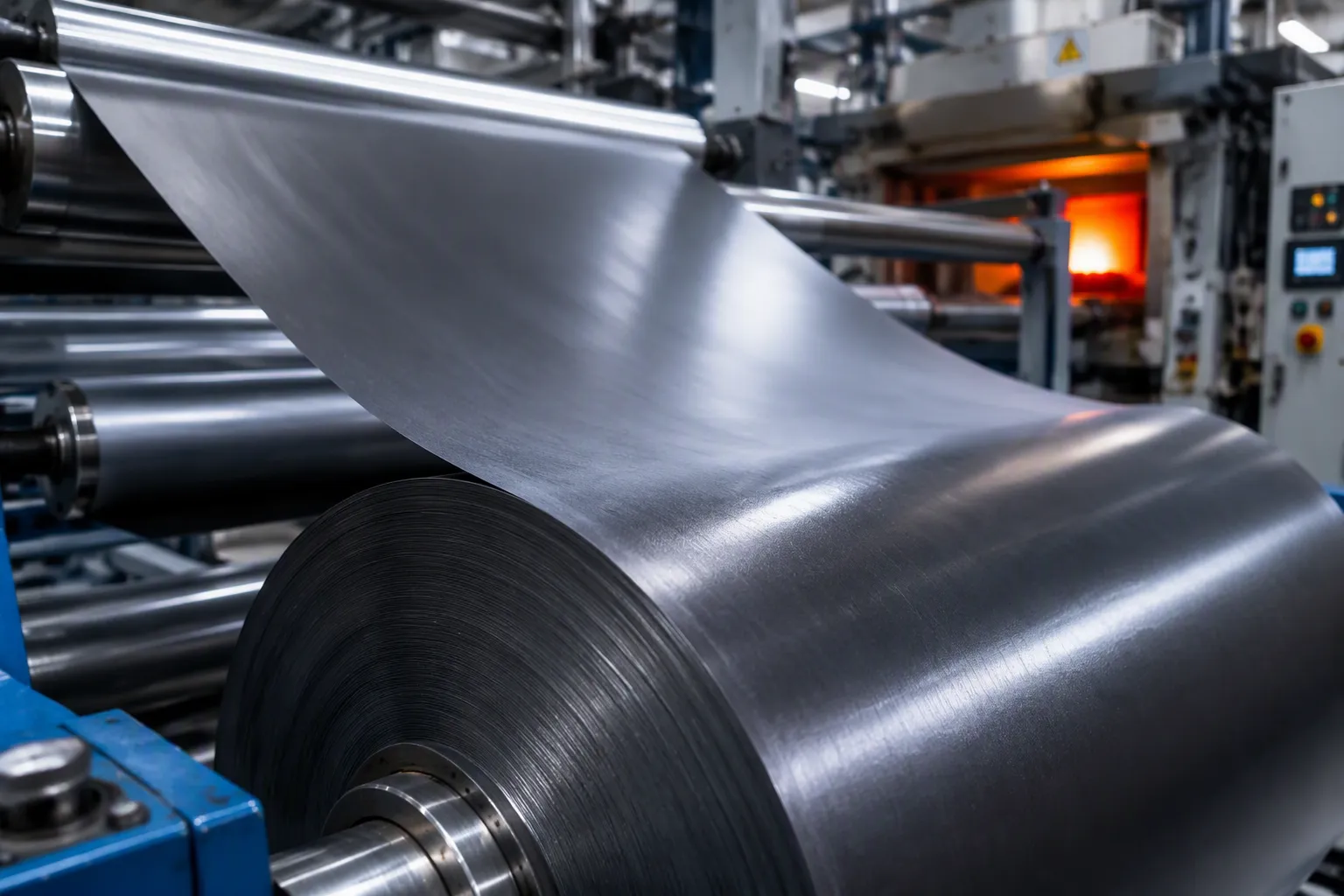
The race to make synthetic graphite sheets thinner and more conductive defines the current landscape. You see manufacturers pushing boundaries to meet demands from modern devices. The electronics market drives much of this growth. These sheets must handle more heat in less space. This push shapes new product development across the industry.
Producing sheets below 25 microns requires advanced manufacturing techniques. Current commercial production achieves a minimum thickness of 75 microns. Most sheets on the market range from 0.5 mm to 4 mm thick. Roll-pressing limitations create the main barrier to thinner sheets. Each reduction in thickness demands tighter process control and better raw materials.
Manufacturers invest heavily in overcoming these limits. DASEN operates a 10,000-square-meter workshop with an annual capacity of 6 million square meters. This scale allows the company to refine production processes continuously. Thinner sheets offer clear advantages for compact device designs. You get better heat spreading in a smaller space.
The push below 25 microns targets premium smartphone and wearable applications. These devices leave almost no room for heat management components. A sheet that is too thick simply cannot fit inside the product. Engineers redesign production lines to achieve these ultra-thin profiles. Success in this area creates a strong competitive advantage.
The highest reported in- thermal conductivity for synthetic graphite sheets reaches 1800 W/m·K. Manufacturers achieve this through high-temperature graphitization at 2800 to 3000 °C.
You need extreme heat to align the carbon atoms into a highly conductive structure. This process consumes significant energy but delivers unmatched performance. A standard synthetic thermally conductive graphite sheet offers excellent heat spreading. The ultra-high conductivity grades target the most demanding applications.
The market for these high-performance sheets continues growing. AI hardware and high-end computing generate intense heat loads. A synthetic thermally conductive graphite sheet with 1800 W/m·K can move heat away from critical components quickly. This prevents performance throttling and extends device life.
Manufacturing such high-conductivity sheets requires specialized equipment. The graphitization furnaces must reach and maintain extreme temperatures. Each step in the manufacturing process must be precisely controlled. Companies investing in this technology position themselves for future demand.
Foldable devices present unique thermal management challenges. You need a material that bends repeatedly without losing performance. Synthetic graphite sheets offer several advantages for these applications:
High thermal conductivity: Reaches approximately 1350 W/m·K, far above natural graphite sheets at 300 to 700 W/m·K
Superior flexibility: Greater bending capability than natural graphite flakes
High purity and reliability: Consistent performance suitable for high-end electronics
The NeoNxGen flexible graphite heat spreader demonstrates these properties in practice. It provides conductivity levels comparable to synthetic graphite at 900 to 1100 W/m·K. More importantly, it exhibits strong repeated flexibility characteristics. This makes it ideal for foldable displays or any product that bends repeatedly.
You see the synthetic thermally conductive graphite sheet appearing in more foldable phones and tablets. The material must survive thousands of folding cycles without cracking or delaminating. Each fold cycle tests the sheet's mechanical integrity. Manufacturers optimize their processes to ensure consistent quality.
The slim form-factor trend also drives demand for thinner sheets. Laptops, tablets, and smartphones all compete for the thinnest profile. A sheet that is both thin and highly conductive solves two problems at once. You get effective thermal management without adding bulk to the device.
Consumer electronics companies increasingly specify synthetic graphite sheets in their designs. The combination of efficient heat transfer and mechanical flexibility makes the material hard to replace. The manufacturing of these advanced solutions continues to improve. As foldable technology matures, you will see even wider adoption.
The market for synthetic thermally conductive graphite sheets is growing fast across many industries. Experts forecast the market will grow from $637 million in 2025 to $909 million by 2032. That is a growth rate of 5.3% each year. These numbers show you something important. This material is used in far more than just your smartphone. You now find synthetic graphite sheets in AI computers, electric car battery packs, and 5G communication modules. Each use needs specific thermal performance. Understanding these uses helps you see where the market is heading next.
AI processors create a lot of heat when they work. A single training session can push chip temperatures to dangerous levels. You need good thermal management to keep performance high and prevent slowdowns. Synthetic graphite sheets are a great solution for this problem. Their high in- thermal conductivity spreads heat quickly over a large area. This stops hot spots from forming on the processor die.
Data center operators face growing pressure to use energy better. Every watt of cooling power costs money. A synthetic thermally conductive graphite sheet helps you move heat away from processors well. This lowers the work for active cooling systems. The result is less energy use and better overall system performance. High-performance electronics makers increasingly add these sheets to their server designs. This trend keeps growing as AI models become more complex.
Electric vehicle batteries face special heat problems. During fast charging, cells produce a lot of heat. Without good management, this heat can cause thermal runaway. That dangerous chain reaction can lead to fires and battery failure. You need materials that stop heat from moving between cells. Synthetic graphite sheets are great at this job.
Battery pack designers use these sheets as thermal barriers between cells. The material's high conductivity spreads heat evenly across the pack surface. This prevents local overheating that could ignite nearby cells. The car industry knows this safety function is critical. Demand for synthetic thermally conductive graphite sheets in EVs keeps rising each year. Battery makers add these materials directly into their pack designs. Thermal management solutions for EVs now make up a big growth area for the market.
5G technology brings new thermal management needs. Millimeter-wave antenna modules work at higher frequencies than before. These frequencies create more heat in smaller spaces. You also have the challenge of signal interference from metal parts. Synthetic graphite sheets solve both problems at once.
The material spreads heat well without blocking radio signals. This makes it useful for 5G smartphone designs. Antenna modules need careful placement of thermal materials. A synthetic thermally conductive graphite sheet can sit right over the antenna array. It removes heat while letting signals pass through clearly. Network infrastructure equipment also benefits from this tech. Base stations and small cells use these sheets to manage heat in small enclosures. The growth of 5G networks around the world drives ongoing demand for these materials. Renewable energy systems and power electronics also use this tech for similar heat management needs. The market growth you see across these sectors shows how versatile and effective this material is.
The graphitization process needs a lot of heat. Old methods heat furnaces to 2800 to 3000 °C for many hours. This uses a huge amount of electricity. You can see that cost in every sheet made. The industry now looks for ways to lower that energy use. Sustainability is now a business need, not just a green goal. Buyers and rules push for cleaner ways to make products. Companies that ignore this change may fall behind in the market.
You can now pick from several new methods that cut energy use a lot. Each method trades off speed, cost, and product quality. The table below shows the most promising approaches:
Technique | Temperature | Energy Consumption | Savings vs Traditional | Additional Notes |
|---|---|---|---|---|
Catalytic graphitization (Fe(NO3)3) | Lowered (catalyst) | 32,710 MJ/ton | ~41% reduction (55,500 MJ/ton) | Biomass waste precursor, catalyst recycling |
Low-temperature catalytic upcycling (Fe) | 1600°C | 825 kWh/ton | ~9-fold reduction (7,700 kWh/ton) | Petroleum coke, catalyst recovery, renewable power |
Electrochemical graphitization in molten salt | ~800°C | Not quantified but lower | Drastically better per LCA | 3-6h, varied carbon precursors, salt CaCl2 hotspot |
Catalytic graphitization uses iron-based catalysts to lower the needed energy. You get similar crystal structure at lower temperatures. The energy savings are about 41 percent compared to normal processing. Low-temperature catalytic upcycling runs at 1600 °C. That temperature cuts energy use by about nine times. Electrochemical methods in molten salt work near 800 °C. Life cycle assessments show much better environmental results.
These new ideas matter for your profits. Prices of synthetic graphite depend on raw materials and electricity costs. Energy efficiency becomes a key way to compete. Companies like DASEN have ISO9001 certification and many patents. They invest in improving these advanced production methods. Their 10,000-square-meter workshop makes 6 million square meters each year. This size lets them test and adopt energy-saving methods quickly.
Old synthetic graphite production uses petroleum coke. This raw material comes from fossil fuels. Its supply faces long-term pressure as the world moves away from oil. You need alternatives that are renewable and easy to find. Farm plant wastes offer a good way forward.
Rice husks, coconut coir, and other plant materials contain carbon. Researchers have shown you can turn these wastes into good graphite precursors. These materials are plentiful, renewable, and low cost. They help with the shortage of natural resources. Using them also solves a waste problem. Farmers now burn or throw away these leftovers. Turning them into useful thermal materials creates a circular economy.
The synthetic thermally conductive graphite sheet made from plant-based precursors works as well as fossil-based versions. Early results show similar thermal conductivity values. You also get a marketing advantage. Products from renewable sources appeal to customers who care about the environment. The market for sustainable thermal materials grows each year.
Original equipment manufacturers now set tough carbon reduction goals. Big electronics brands ask suppliers to report their emissions. They want materials that help them meet net-zero promises. You must show your manufacturing footprint to win these contracts.
Eco-friendly production methods match global environmental goals. Sustainability efforts promote cleaner processes, especially in renewable energy and green tech uses. Product innovation highlights recyclable materials and sustainable manufacturing. You see this trend clearly in markets like Germany, where buyers care about environmental performance.
The synthetic thermally conductive graphite sheet fits into this picture well. Its high thermal efficiency helps devices run cooler. Cooler devices use less energy for cooling over their lifetime. This indirect energy saving adds to the material's green story. Manufacturers using green processes get preferred supplier status. They also face less risk from carbon taxes and rules.
The push for sustainable manufacturing changes the whole industry. You see new companies focusing only on green production methods. Older players upgrade their facilities to stay competitive. The market rewards those who act first. Energy costs keep rising, making efficiency more valuable. Raw material prices go up and down with oil markets. Companies that secure renewable precursors get price stability. This mix of environmental and economic factors drives the sustainability change forward. The synthetic graphite sheet market now treats sustainability as a core need, not an extra feature. Your success depends on adapting to this new reality.
The industry now treats heat control as a whole-system problem, not just a single-part fix. In high-performance computing, chips can use 700W to 1000W or more of power. At these levels, cold plates alone cannot handle hot spots. You need a bigger plan that connects every part of the cooling path. This change alters how engineers view synthetic thermally conductive graphite sheet materials.
You now design synthetic thermally conductive graphite sheet layers together with vapor chambers and heat pipes from the very start. The graphite sheet works as a main layer for spreading heat. It moves heat sideways across a broad area. Vapor chambers then carry that heat to a distant cooling zone. Heat pipes send it to fin stacks or liquid loops. Each part handles one section of the thermal path.
The graphite sheet fixes a key issue in this chain. Its in- thermal conductivity hits 1500 to 2000 W/m·K. Copper and aluminum fall well below that level. The sheet moves heat fast from a small hot spot to the whole vapor chamber surface. This stops the chamber from filling up at one spot. You get better use of the chamber's full ability.
3D vapor chambers with graphite coating entered mass production in 2025. This is a clear step forward. Makers now build graphite right into chamber walls. You remove one interface layer and its resistance. The result is a cleaner thermal path from chip to outside air. This co-design method lowers the need for extra cooling parts. You save space and reduce system cost.
Simulation tools now predict thermal performance before you build a physical model. Digital twins create a virtual copy of your whole cooling system. You can test different synthetic thermally conductive graphite sheet placements in minutes. This beats the old trial-and-error method by weeks.
You can model the anisotropic nature of graphite with accuracy. In- conductivity reaches up to 1900 W/m·K. Through- conductivity stays below 10 W/m·K. Simulation software handles this difference well. It shows you exactly where heat spreads and where it stays stuck. You then change sheet thickness, layer count, and position.
Digital twins also help you improve for real-world conditions. You can simulate a smartphone under heavy gaming load. You can model an EV battery during fast charging. Each case shows different hot spot patterns. You adjust your thermal management solutions for each one. This lowers the need for costly physical testing rounds. The engineering result is better heat balance and higher system reliability.
Multi-layer graphite sheet structures now fix the through- conductivity limit. A single sheet spreads heat well sideways but resists vertical flow. Engineers stack three to five layers with different porosity levels. Each layer has its own job.
The contact layer sits closest to the heat source. It is 0.05mm thick with porosity below 5%. This layer boosts surface contact. The spreading layer comes next at 0.1 to 0.2mm thick with 10 to 15% porosity. It handles sideways heat flow. The buffer layer at 0.3mm thickness has porosity above 20%. It soaks up mechanical stress and cuts vertical heat loss. This gradient design lowers internal temperature gaps from 8 to 10°C down to below 3°C.
You see real results from this tech in the BYD Blade Battery low-temperature version. Engineers added carbon nanotubes to the multi-layer graphite sheet, further improving in- conductivity and low-temperature discharge capacity. This shows how composite structures push the limits of thermal management solutions.
The market for these advanced structures keeps growing. Technology moved from natural graphite sheets to synthetic films and now to multi-layer composites. Each step delivers better performance for tough uses. You should look at these options when designing your next cooling system. The right multi-layer stack can change your entire thermal architecture.
The synthetic graphite sheet market shows clear chances and hurdles for 2026. Companies that act early can gain a big edge. Those focused on AI and EV areas build strong positions. Custom high-performance products win in these markets. The outlook for these sectors stays bright.
AI hardware and EVs offer the best growth chances in this market. Asia Pacific leads with strong battery making and high EV output. China drives much of this work. North America shows growing car activity. Canada offers clean energy programs. Europe has key battery and EV makers in Germany. France and the UK move toward green transport.
Southeast Asia and Africa show rising interest in heat control products. South America offers smart investments in EV supply chains. Brazil and Chile play key roles. These areas need materials for renewable energy systems and power parts. Each market needs its own plan.
New tech in battery and electronics production pushes demand higher. The synthetic thermally conductive graphite sheet fits new AI and EV designs. AI systems need strong heat removal. EV battery packs use thermal barriers between cells. Both uses gain from high-performance heat materials. Market research data backs this trend. The forecast shows steady growth in all areas. This growth draws major investment. You see strong chances appearing. The market growth chances in these sectors stay large.
You must balance performance with cost limits. Making synthetic thermally conductive graphite sheets uses lots of energy. Graphitization at extreme heat raises costs. Raw material shortages add another problem. Supply chain breaks can slow deliveries.
Proven ways exist to cut costs. Material substitution offers one path. Using alternative fiber bases instead of high-purity polyimide films can reduce costs. These materials maintain flexibility. Process improvements also help. Controlled heating steps can prevent surface cracks. Positive inert gas pressure during graphitization limits void growth. Post-graphitization heating at 2800 to 3000°C improves structure.
Switching to lower-grade coke materials cuts raw material costs. This method boosts competition without hurting performance in key uses. Environmental rules raise operating costs. You must invest in cleaner making methods. Energy efficiency becomes a key edge. Cost analysis shows feedstock and electricity remain main drivers. Supply chain review helps find weak spots. The right heat solutions offer new ways to save money.
DASEN stands out with full production control and its own patents. The company runs a 10,000-square-meter workshop with yearly capacity of 6 million square meters. This size allows efficient making. DASEN holds ISO9001 certification and over 10 patents.
Other industry players focus on specific areas or uses. Some make ultra-thin sheets for smartphones. Others target the growing AI server field. The competitive field shifts as demand changes. You must watch these industry trends closely. Competitor review helps you plan your moves.
The future growth of this sector depends on handling chances and hurdles. Early movers in AI and EV areas capture big share. Those who fix cost and supply issues gain lasting edges. The market rewards companies that improve making and adapt to heat needs. Market size data shows steady growth. Market size forecasts confirm strong future growth. This future growth creates excellent chances for makers.
The synthetic graphite sheet market in 2026 needs more than just great materials. You need complete thermal management solutions that are sustainable and work well for the whole system. Your success depends on how well you can improve manufacturing, meet new application needs, and stay committed to sustainability in every part of production.
Growth chances stay strong in AI hardware and EV markets. Industry trends point toward energy-saving processes and system-level design methods. Companies that accept these changes set themselves up for future growth. The analysis shows clear benefits for early adopters who provide custom solutions.
The market path looks bright. We invite you to subscribe for more market insights or contact DASEN to talk about your thermal management plan.
The world market for synthetic graphite sheets is US$637 million in 2025. Experts say it will grow to US$909 million by 2032. That is a yearly growth rate of 5.3%. This size shows strong need in electronics, cars, and energy fields.
You find synthetic graphite sheets in smartphones, laptops, and tablets. They also go into EV battery packs, AI hardware, and 5G antenna modules. Each use needs good heat spread in small spaces. The material bends well and moves heat fast, so it fits these jobs.
Making the sheets decides how well they move heat. Heating at 2800 to 3000 °C lines up carbon atoms into a path for heat. Companies like DASEN use advanced steps to get steady quality. Their big workshop makes 6 million square meters each year.
Being eco-friendly now shapes how companies make these sheets. Old heating uses a lot of power. New methods cut energy use by about 41 percent. Some steps run at 1600 °C instead of 3000 °C. These changes lower costs and cut pollution for buyers.
The need for these sheets stays strong in all big fields. AI hardware keeps growing fast. EV batteries are made more each year. Phone makers want thinner sheets that move heat better. Studies show steady growth in every region through 2032.
You should pick a sheet whose heat flow matches your heat load. Think about thickness limits for your device. Check if it bends enough for foldable products. Look at the maker's quality papers. Review how much they make and if they ship on time. These things decide long-term use and supply.
Future growth looks good for those who act early. AI and EV areas give the biggest chances. Companies with custom products gain an edge. Makers focused on eco-friendly methods attract green buyers. The global forecast shows steady growth through 2032.
Synthetic graphite sheets hold a significant share of the high thermal conductivity graphite sheet market. This material beats natural graphite sheets in heat flow. It reaches 1800 W/m·K while natural ones reach 300 to 700 W/m·K.