
Views: 0 Author: Site Editor Publish Time: 2026-04-06 Origin: Site


When you look at Kevlar vs Carbon Fiber, you find big differences. These differences change how each material works for you. Kevlar is very strong when pulled and can take hits well. This makes it good for safety gear and car parts. Carbon fiber is very stiff and light. This is important for s and electronics. People around the world use both materials more every year. If you know these differences, you can pick the best one. You can choose for strength, weight, bendiness, or price in your project.
Kevlar works well for safety gear because it absorbs impacts. It can bend and does not break easily.
Carbon fiber is stiff and strong. This makes it good for s and cars.
Pick Kevlar if you need a light and flexible material. It can take hits without damage.
Use carbon fiber if you want something strong and rigid. It can handle high heat.
Kevlar costs less than carbon fiber. This makes it a smart choice for big projects.
Both are light, but Kevlar is 15-20% lighter than carbon fiber.
Think about what your project needs, like heat resistance or flexibility, before you pick.
Using both Kevlar and carbon fiber together can make things tougher. It also helps them resist impacts for special uses.
You can look at the table to see how kevlar vs carbon fiber are different. The table shows important things like strength, how well they handle hits, heat, and price.
Property | Kevlar | Carbon Fiber |
|---|---|---|
Impact Resistance | Excellent | Good |
Tensile Strength | Moderate | Superior |
Decomposition Temp | ~500°C | ~400°C |
Weight | Light | Light |
Flexibility | High | Low |
Chemical Resistance | Excellent | Good |
Cost per kg (USD) | $20–40 | $60–120 |
Tip: If you want something that bends and takes hits, kevlar is a good choice. If you need something strong and stiff, carbon fiber is better.
When you compare kevlar vs carbon fiber, you see each has special strengths. Carbon fiber is very strong and stiff. It can hold heavy things and keep its shape. Kevlar is great at taking hits and bending. You can bend kevlar without breaking it, so it works well for safety gear.
Kevlar vs carbon fiber are not the same with heat. Kevlar stays strong when it gets hot. People use it in firefighter suits and astronaut gear. Carbon fiber is good for s and cars, but it breaks down at lower heat than kevlar.
You find kevlar vs carbon fiber in many places. Kevlar is in bulletproof vests, helmets, and belts for factories. It is also in sports gear, motorcycle clothes, and military vehicles. Carbon fiber is used in bodies, wings, car parts, bikes, tennis rackets, and boat hulls. It helps make tools and robot arms too.
Strength and weight are important when picking kevlar vs carbon fiber. Carbon fiber is stiffer and stronger when pulled. Kevlar is lighter and tougher, so it takes shocks better. Both fight rust, but kevlar also fights chemicals and water.
Price matters with kevlar vs carbon fiber. Kevlar costs less for each kilogram, so it is good if you want to save money. Carbon fiber costs more because it is harder to make, but it can help save money in cars by making them lighter.
Think about what you need before you pick kevlar vs carbon fiber. If you want something safe and bendy, kevlar is best. If you need something strong and stiff, carbon fiber is right for you.
Kevlar is a man-made fiber that is very strong. You can find kevlar in bulletproof vests and safety gear. Scientists made kevlar for the first time in the 1960s. Kevlar is part of a group called aramids. It is special because it is hard to pull apart and can take hard hits. People use kevlar in things that need to stop bullets, block cuts, or handle a lot of force.
Kevlar is made with a special chemical process. Here is how people make kevlar:
They mix monomers with sulfuric acid to make a base liquid. This liquid has kevlar amides in it.
The liquid is pushed through tiny holes called a spinneret. This makes long, thin fibers.
The fibers go into a bath and get heated up. This step makes the molecules line up and get strong.
The finished fibers are cured and wrapped onto spools to use later.
Kevlar is very strong and can handle a lot of pulling. It has a tensile strength of about 3,000 MPa. The fibers have strong bonds that keep them together. These bonds help kevlar not stretch or tear. Kevlar lasts a long time, even when used in tough places.
Kevlar feels light when you pick it up. The fibers do not weigh much because they have low density. This makes kevlar good for gear you need to carry. It helps you move fast and not get tired. Bulletproof vests use kevlar because it protects you but does not add much weight.
You can bend kevlar and it will not break. The fibers stay strong if you twist or fold them. Kevlar can take hard hits and spread out the force. This is why kevlar is used for stopping fast objects. You see kevlar in helmets, vests, and gloves for this reason. Kevlar is also used in sports gear and belts for machines because it can take hits.
Kevlar can handle high heat and does not melt easily. It keeps its shape up to about 500°C. Firefighter suits use kevlar because it can face flames. Kevlar also stands up to many chemicals. It does not rust or break down in tough places. This makes kevlar good for factories and outdoor jobs.
Kevlar has many good points, but it also has some limits.
Advantages of Kevlar Fiber | Disadvantages of Kevlar Fiber |
|---|---|
Very strong | Takes in water |
Does not shrink with heat | Not strong when pressed |
Handles heat and flames well | Hard to cut or drill |
Does not tear or stretch easily | Sunlight can damage it |
Stops fast objects |
Kevlar gives you strength, takes hits, and lasts a long time. It is great for bulletproof gear and safety uses. Kevlar can handle heat and chemicals, but it can soak up water and is hard to cut. Think about these things before you pick kevlar for your project.
Carbon fiber is a very important material today. It is strong and light. Many industries use it for these reasons. Carbon fiber is made by turning plastic into fibers. The atoms in carbon fiber look like graphite. They form sheets in a hexagon shape. Some fibers are messy, but others are neat. To make carbon fiber, people spin acrylonitrile plastic into polyacrylonitrile fibers. These fibers go through many steps:
Fiber spinning: Acrylonitrile plastic is spun into thin fibers.
Stabilization: The fibers are heated in air to change their bonds.
Carbonization: The fibers are heated without oxygen to make carbon crystals.
Oxidation of surface: The fibers are treated to help them bond better.
Fiber sizing: The fibers get a coating to protect them and get ready for weaving.
People use carbon fiber in many places because it is strong and lasts a long time.
Carbon fiber is known for being very strong. Its tensile strength is about 500 ksi. This is much higher than steel or aluminum. People use carbon fiber in s and cars for this reason. Carbon fiber is also very stiff. It is more than four times stiffer than glass-reinforced plastic. You pick it when you need something that does not bend.
Carbon fiber is light but still strong. It is about 40% lighter than aluminum. This helps make s and cars lighter and saves fuel. You also see carbon fiber in bikes and tennis rackets. These products are easy to carry and move.
Carbon fiber is not as bendy as kevlar. It is stiff and can snap if bent too much. People use carbon fiber when they need a hard, strong shape. It is not good for places where you need to absorb shocks. Kevlar is better for those uses.
Carbon fiber can handle heat and chemicals well. It stays strong at high temperatures. It does not rust or break down. People use it where there are harsh chemicals or lots of heat. Carbon fiber keeps its shape and does not expand much. This is good for tools that need to be exact.
Carbon fiber has many good points, but there are some problems too.
Light and works very well
Lasts a long time
Can be shaped in many ways
Does not rust easily
Reduces shaking and vibration
Conducts electricity
Safe for the body and lets x-rays pass
Costs a lot to make
Hard to make in factories
Not easy to recycle
Breaks easier than kevlar
People pick carbon fiber for tough jobs that need strong materials. It is used in s, cars, electronics, and sports gear. Carbon fiber is strong, light, and stands up to heat and chemicals. But you should think about the cost and how it can break before you choose it.
If you need materials for electronics, you want them strong and light. You also want them to handle heat well. DASEN gives you carbon fiber that does all these things. You can use DASEN carbon fiber in many devices and systems that manage heat.
DASEN carbon fiber is special because it has many good features. These features help your electronics work better. Look at the table to see what each feature does:
Feature | Benefit |
|---|---|
Lightweight | Great for small electronic devices |
Thermally stable | Helps control heat in your gadgets |
Efficient heat dissipation | Keeps important parts safe from heat |
Customizable thermal expansion | Makes products steady and work well |
You want your gadgets to stay cool and work right. DASEN carbon fiber helps with this. It spreads heat fast, so your devices do not get too hot. This keeps your phones, tablets, and laptops safe and working longer. The material is light, so your devices are easy to carry and use.
You can find DASEN carbon fiber in lots of places:
Used in circuit boards to keep them strong and cool
Good for battery packs in electric cars and portable devices
Makes phones, tablets, and laptops work better
You may see your phone stays cool even after using it a long time. That is because carbon fiber moves heat away from the important parts. In battery packs, it keeps everything at the right temperature. This helps batteries last longer and work better.
DASEN lets you change how the material grows when it gets hot. This means your devices stay steady, even when they warm up. You do not have to worry about parts bending or breaking.
If you work with electronics, you know heat can cause trouble. DASEN carbon fiber helps fix these problems. It is light, strong, and moves heat well. This makes your products safer and more dependable.
When you pick DASEN, you get more than just a material. You get a solution that fits what you need. You can trust DASEN to help you build better electronics that last longer.
Image Source: pexels
When you look at kevlar and carbon fiber, you see they are both strong. They are famous for being tough, but they act differently in real life. Sometimes, kevlar and carbon fiber have almost the same tensile strength. Other times, carbon fiber is much stronger. For example:
Tensile strength of carbon fiber: 472 MPa (in some tests)
Tensile strength of kevlar: 454 MPa (in some tests)
Other sources show carbon fiber at 4127 MPa and kevlar at 2757 MPa
This means the strength can change depending on the test and type. Both materials are light and strong, so people use them when weight matters.
Impact resistance is another big difference. Kevlar is great at taking hits and spreading out the force. It helps protect you from getting hurt. Carbon fiber is strong when pulled, but it does not take hits as well as kevlar. You can see this in the table below:
Material | Impact Resistance Type | Key Applications |
|---|---|---|
Kevlar | Energy Absorption | Protective gear (helmets, body armor) |
Carbon Fiber | Tensile Strength | Aerospace structures, automotive parts |
If you need to stay safe from crashes or bullets, pick kevlar. If you want something that stays stiff and holds heavy things, carbon fiber is a good choice.
Weight and density are important when picking kevlar or carbon fiber. Both are light, but there are some differences. Kevlar is less dense than carbon fiber. This makes kevlar about 15-20% lighter than other fibers. Being lighter helps if you need to move fast or carry things for a long time.
Carbon fiber is also very light, especially compared to metals like steel or titanium. It has a better strength-to-weight ratio than most metals. That is why you see it in s and race cars. The table below shows how they compare:
Material | Density Comparison | Strength-to-Weight Ratio | Implications for Lightweight Design |
|---|---|---|---|
Kevlar | Lower than carbon fiber | Comparable to carbon fiber | 15-20% lighter than other fibers, great for impact resistance and durability |
Carbon Fiber | Higher than kevlar | Higher than steel and titanium | Ideal for maximum stiffness and strength-to-weight ratio |
Pick kevlar if you want something super light and tough. Carbon fiber is best if you need the strongest and stiffest material for its weight.
Flexibility and toughness matter when things need to bend or take hits. Kevlar is known for being tough. It can bend and stretch without breaking. This makes kevlar perfect for safety gear and things that get hit a lot. Kevlar is about five times stronger than steel by weight. It absorbs energy well and keeps you safe.
Carbon fiber is good for making different shapes. You can mold it into many forms. This helps make fast cars and s. But carbon fiber is stiffer than kevlar. It does not take lots of hits as well, but it stays strong and keeps its shape.
Kevlar: Very tough, takes hits, bends without breaking, good for things that move a lot
Carbon fiber: Easy to shape, stays stiff, best for strong and stiff parts
If you need something that can take many hits and last, pick kevlar. If you want to make cool shapes that are strong and light, pick carbon fiber. These differences help you choose the right material for strength, weight, impact, and toughness.
Heat resistance is a big difference between Kevlar and carbon fiber. You need to know how each reacts to high heat. This matters if you work with electronics, cars, or safety gear.
Carbon fiber can take very high heat. In places without oxygen, it stays strong up to 1,500–2,500°C. It only breaks down after that. This makes carbon fiber great for parts in s or advanced electronics.
Kevlar starts to break at about 500°C. It works well in firefighter suits and safety gear. But it cannot handle as much heat as carbon fiber.
Note: Carbon fiber is better at handling heat than Kevlar. If your project needs to face very high heat, pick carbon fiber.
Here is a quick comparison:
Material | Thermal Degradation Point | Best Uses Under Heat |
|---|---|---|
Kevlar | ~500°C | Protective clothing, safety gear |
Carbon Fiber | 1,500–2,500°C (non-oxidizing) | Aerospace, electronics, automotive |
Cost is important when you pick Kevlar or carbon fiber. You want the best deal for your project.
Kevlar costs between $15 and $39 per kilogram. The price changes with grade and how much you buy. Kevlar is cheaper, especially for big projects or safety gear.
Carbon fiber costs more than Kevlar. The price depends on type, quality, and how it is made. You pay extra for its strength, stiffness, and heat resistance.
Tip: If you want to save money and still get good results, Kevlar is a smart pick. If you need the most strength and heat resistance, carbon fiber is worth the higher price.
Material | Price per kg (USD) | Typical Applications |
|---|---|---|
Kevlar | $15–$39 | Safety gear, industrial belts |
Carbon Fiber | Higher (varies) | Aerospace, automotive, electronics |
Durability and longevity show how long Kevlar and carbon fiber last. You want your materials to stay strong and reliable, even in tough places.
Kevlar is strong and lasts a long time. You see it in bridges, concrete, and safety clothes. Surface treatments make Kevlar even tougher against weather and chemicals. Kevlar keeps its strength for years, so it is good for safety gear and factories.
Carbon fiber is strong and lasts well, but water cycles can make it weaker. After many wet and dry cycles, it can fail more easily. Sunlight can damage the glue that holds the fibers together, making it up to 29% weaker. The carbon fiber itself stays strong, but the glue needs protection.
Fixing carbon fiber needs careful work. Stitching repairs help bring back strength after damage. Maintenance is important to keep carbon fiber parts working well.
Kevlar needs less maintenance. It resists wear and tear, especially with surface treatments.
Tip: Pick Kevlar for long-lasting protection and easy care. Choose carbon fiber if you need high strength and are ready to fix and maintain it.
Material | Durability Factors | Maintenance Needs | Typical Lifespan |
|---|---|---|---|
Kevlar | High tensile strength, resists weather and chemicals | Low, surface treatments improve lifespan | Long-lasting in safety gear and structures |
Carbon Fiber | Strong, but sensitive to wet-dry cycles and UV | Requires careful repair and maintenance | Long-lasting with proper care |
Both materials are durable, but they act differently in tough places. Think about how your project will face weather, water, and sunlight before you choose.
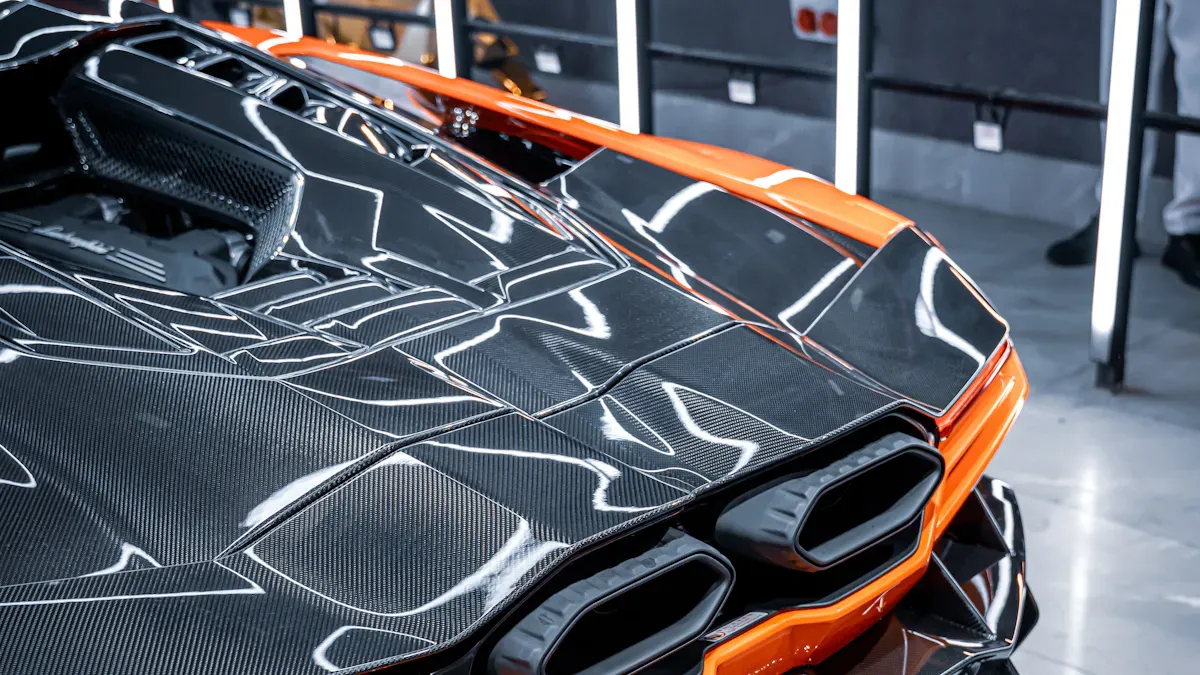
Image Source: pexels
Pick kevlar when you need strong safety. Kevlar is great for armor that protects people. You see kevlar in bulletproof vests, helmets, gloves, and boots. Firefighters and soldiers wear clothes made with kevlar. This material stops bullets and sharp things. It also keeps you safe from heat and fire.
Here is a table that shows where kevlar is used for protection:
Category | Applications |
|---|---|
Protective Gear | Bulletproof vests, helmets, gloves, boots, cut-resistant work gloves, protective suits for firefighters and soldiers |
Kevlar armor helps keep you safe in risky jobs. You can count on it for good protection.
Kevlar helps workers and athletes stay safe. In factories, kevlar conveyor belts and gloves protect workers from sharp tools and heat. In sports, kevlar is in bike tires, football gear, martial arts gloves, and kayaks.
Category | Applications |
|---|---|
Industrial Equipment | Kevlar-reinforced conveyor belts, protective gloves and clothing for high-temperature and sharp object exposure workers |
Sports Products | High-end bicycle tires, protective gear in football, martial arts gloves and uniforms, kayaks and paddleboards |
You see kevlar in many places where safety and strength are important.
Pick carbon fiber for s and cars. Carbon fiber is light and strong. It is used for wings, bodies, and tails. In cars, you find carbon fiber in hoods, trunks, body panels, and racing brakes. These parts stay strong but do not weigh much.
Industry | Applications |
|---|---|
Aerospace | Air parts such as wings, fuselages, tail fins, floorings, panels, drive shafts, elevators, rudders, landing gear doors |
Automotive | Car hoods, trunks, body panels, engine blocks, racing brakes, fuel tanks, Bugatti Veyron chassis |
Carbon fiber makes s and cars lighter. This saves fuel and makes them faster.
You can use carbon fiber in electronics. Laptops, phones, and tablets use carbon fiber to stay light and strong. DASEN gives carbon fiber for electronics. These materials help control heat and keep devices safe. Your gadgets work better and last longer.
Carbon fiber is good for sports and medical tools. You find it in tennis rackets, bikes, and fake limbs. It is also in X-ray machines and dental parts. Carbon fiber is strong, light, and safe for the body. It helps athletes and patients move easily.
Industry | Applications |
|---|---|
Medical Devices | Prosthetic limbs, braces, X-ray devices, implants, tissue engineering, wound dressing, dental composites |
Sports Products | Tennis rackets, bicycles, kayaks, paddleboards |
You can mix kevlar and carbon fiber to get both benefits. Hybrid materials give you good impact resistance and strength. These materials are used where you need both toughness and flexibility. They are found in special armor and some car parts.
Advantages | Disadvantages |
|---|---|
Enhanced impact resistance | More expensive than traditional carbon fiber |
Suitable for applications requiring durability | Less suitable for cost-sensitive projects |
Limited stiffness compared to pure carbon fiber | |
Improved mechanical behavior under impact | Increased manufacturing time and costs |
Hybrid materials help you get both safety and good performance.
You can use DASEN graphite sheets to manage heat. These sheets move heat away from important parts in electronics, cars, and s. DASEN graphite sheets are bendy and easy to use. They help keep things cool and safe. Your products work better and last longer.
Tip: If you need to control heat well, DASEN graphite sheets are a smart choice for many uses.
You can now see how Kevlar and carbon fiber are different. The table below shows what makes them unique:
Property | Kevlar | Carbon Fiber |
|---|---|---|
Strength | Great at taking hits | Strong and very stiff |
Weight | Lighter | Strong for its weight |
Flexibility | Tough and bends easily | Brittle and can crack |
Heat Resistance | Handles heat better | Not as good with heat |
Cost | Costs more | Saves money |
Pick Kevlar if you want the best protection from hits and need something that bends. Choose carbon fiber if you want a stiff material that is strong and light. DASEN’s carbon fiber and graphite help make cars, electronics, sports gear, and energy products lighter and stronger. Always think about what your project needs before you choose.
Kevlar bends easily and takes hits well. Carbon fiber is stiff and can hold heavy things. People use Kevlar for safety gear. Carbon fiber is picked for strength and being light.
Yes, you can mix both in one thing. This gives you better strength and helps take hits. Many sports and safety items use this mix.
Carbon fiber can handle higher heat than Kevlar. Pick carbon fiber for parts that get very hot, like in s or electronics.
Yes, carbon fiber is good for electronics. It helps move heat away and keeps things light. DASEN carbon fiber makes phones, laptops, and batteries work better.
Think about what you need. Pick Kevlar if you want something that bends and takes hits. Choose carbon fiber if you need something stiff, strong, and good with heat. Always pick the right one for your project.
Yes, Kevlar costs less for each kilogram. You save money with Kevlar, especially for big jobs or safety gear.
You can go to DASEN’s official website to see carbon fiber and graphite for electronics, cars, and more.
It is hard to recycle both materials. Some companies recycle them for new things, but most do not get recycled yet.